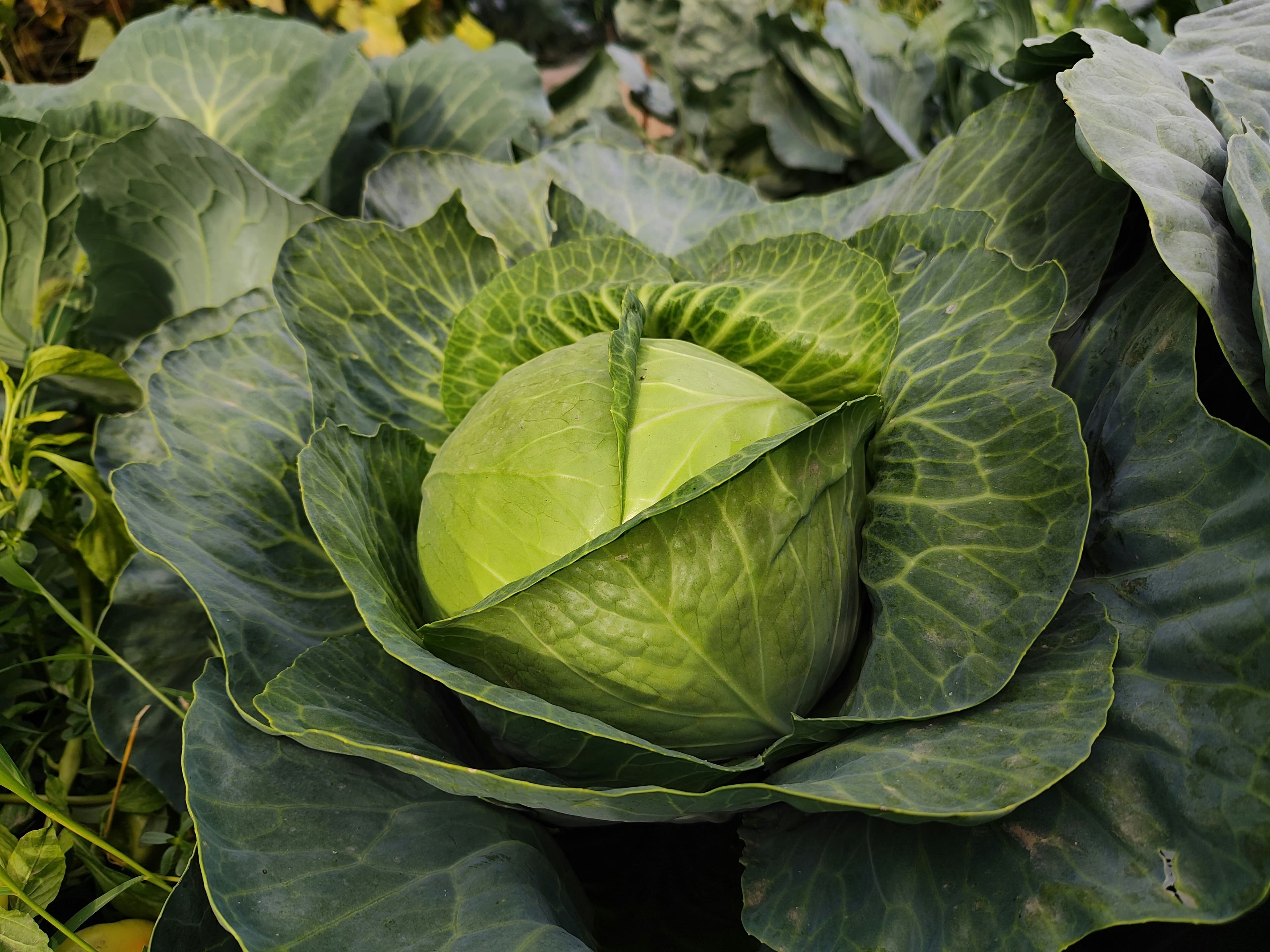
CABBAGE AGRONOMY GUIDE (KENYA)
📋Crop Overview
Crop Name: Cabbage
Botanical Name: Brassica oleracea var. capitata
Crop Type: Cool-season leafy vegetable
Economic Importance:
Cabbage is one of Kenya’s most important vegetable crops, widely grown for fresh markets, institutions, and urban supply chains. It is a reliable cash crop for smallholder and commercial farmers due to high demand, short production cycles, and adaptability to different agro-ecological zones.
📋Agro-Ecological Suitability (Kenya AEZ)
Cabbage performs best in cool to moderately cool zones with reliable moisture.
| AEZ Zone | Description | Suitability |
|---|---|---|
| Upper Highlands (UH) | Cool, high rainfall | ✅ Excellent |
| Lower Highlands (LH) | Cool–moderate, reliable rainfall | ✅ Excellent |
| Upper Midlands (UM) | Moderate temperatures | ✅ Good |
| Lower Midlands (LM) | Warm, semi-humid | ⚠️ Moderate (irrigation required) |
| Lowlands (ASALs) | Hot, dry | ❌ Not recommended (unless protected irrigation) |
Best Counties:
Nyandarua, Kiambu, Nyeri, Meru, Uasin Gishu, Elgeyo-Marakwet, Kericho, Bungoma, Trans-Nzoia
📋Optimal Growing Conditions
- •Altitude: 1,000–2,500 m above sea level
- •Temperature: 15–20°C (optimum); stress above 25°C
- •Rainfall / Water Requirement: 450–650 mm per growing season
- •Soil pH: 6.0–7.5
- •Soil Type: Well-drained loamy soils rich in organic matter
Note: Acidic soils (pH < 5.5) greatly increase the risk of clubroot disease.
📋Recommended Varieties (Kenya)
Early Maturing (60–75 days)
- •Copenhagen Market
- •Gloria F1
Mid-Season (75–90 days)
- •Blue Dynasty F1
- •Green Challenger F1
Late Maturing (90–120 days)
- •Danish Ballhead
- •Riana F1
📋Nursery Management
- •Seed Rate: 250–400 g per hectare
- •Sowing Method: Rows 10 cm apart or broadcasting
- •Sowing Depth: 0.5–1 cm
- •Germination: 4–7 days at 20–25°C
- •Transplanting Age: 4–5 weeks (4–6 true leaves)
Best Practices
- •Use raised nursery beds
- •Ensure good drainage
- •Avoid overcrowding
- •Harden seedlings 5–7 days before transplanting
📋Land Preparation & Transplanting
- •Land Preparation: Deep ploughing and harrowing
- •Organic Manure: 20–30 tons/ha (well decomposed)
- •Transplanting Time: Late afternoon or cloudy days
Spacing
- •Early varieties: 45 × 45 cm
- •Mid / Late varieties: 60 × 60 cm
📋Nutrient Management
Total Nutrient Requirement (per hectare)
- •Nitrogen (N): 120–180 kg
- •Phosphorus (P₂O₅): 60–80 kg
- •Potassium (K₂O): 80–120 kg
- •Boron: Critical for head formation
Excess nitrogen causes soft heads, delayed maturity, and head splitting.
Fertilizer Schedule (Guide)
| Stage | Fertilizer | Notes |
|---|---|---|
| Basal | DAP or NPK with P | Incorporate before transplanting |
| Top dress 1 | Nitrogen source | 2 weeks after transplanting |
| Top dress 2 | Nitrogen | At head initiation |
| Top dress 3 | Nitrogen + Potassium | During head development |
| Foliar | Boron + Calcium | 2–3 sprays from week 4 |
📋Water Management
- •Critical Stage: Head initiation to head filling
- •Irrigation Frequency: Every 5–7 days depending on soil and weather
- •Method: Drip or furrow irrigation
- •Avoid: Water stress and waterlogging
📋Pest Management (Integrated Approach)
Major Pests
- •Diamondback moth (Plutella xylostella)
- •Aphids (Brevicoryne brassicae)
- •Cutworms (Agrotis spp.)
- •Cabbage looper (Trichoplusia ni)
Management Principles
- •Regular scouting (weekly)
- •Early intervention at larval stages
- •Rotate insecticide modes of action
- •Use biological options where possible
📋Disease Management
Key Diseases
- •Black rot: Seed hygiene, crop rotation, preventive sprays
- •Downy mildew: Common in cool, humid conditions
- •Clubroot: Manage soil pH (lime to pH 6.8–7.2)
- •Alternaria leaf spot: Preventive fungicides and sanitation
- •Fusarium wilt: Resistant varieties and crop rotation
Important: Clubroot has no curative chemical control — soil pH management is essential.
📋Weed Management
- •Critical Period: First 4–6 weeks after transplanting
- •Methods:
- •Pre-plant field sanitation
- •Shallow hand weeding
- •Mulching (organic or plastic)
Avoid deep cultivation to prevent root damage.
📋Growth Stages
| Stage | Duration | Key Management |
|---|---|---|
| Germination | 4–7 days | Maintain moisture |
| Seedling | 4–5 weeks | Disease prevention |
| Establishment | 1–2 weeks | Irrigation, pest scouting |
| Vegetative | 3–5 weeks | Nitrogen & weed control |
| Head Initiation | 5–7 weeks | Boron & moisture |
| Head Filling | 7–10 weeks | Potassium & water |
| Maturity | 10–16 weeks | Harvest planning |
📋Harvesting & Post-Harvest Handling
Maturity Indicators
- •Firm, compact heads
- •Desired market size achieved
- •Outer leaves still green
Harvesting
- •Harvest during cool hours
- •Use sharp knife
- •Leave 3–4 wrapper leaves
Storage
- •Temperature: 0–5°C
- •Relative Humidity: 95–98%
- •Storage life: 3–4 weeks
📋Expected Yields (Kenya)
- •Average management: 30–45 tons/ha
- •Good management: 45–60 tons/ha
- •Excellent management: 60–70 tons/ha
📋Key Yield-Limiting Factors
- •Diamondback moth infestation
- •Black rot during wet seasons
- •Clubroot in acidic soils
- •Boron deficiency (hollow stem)
- •Water stress during head formation
- •Poor weed control
- •Excess or insufficient nitrogen
📋Key Success Factors
- •Disease-free seedlings
- •Correct spacing for variety
- •Balanced nutrition (especially Boron & Potassium)
- •Consistent moisture supply
- •Soil pH management
- •Integrated pest management
- •Timely harvesting
Find Jojemi Products for Cabbages
All products mentioned in this guide are available through our network of 200+ authorized distributors across Kenya.
Need Expert Advice?
Our agronomists provide personalized guidance for your cabbages farming operation.
Call Us
+254 795 364 079Email Us
info@jojemieastafrica.co.keVisit Us
Solitaire Business Park
Juja, Nairobi


