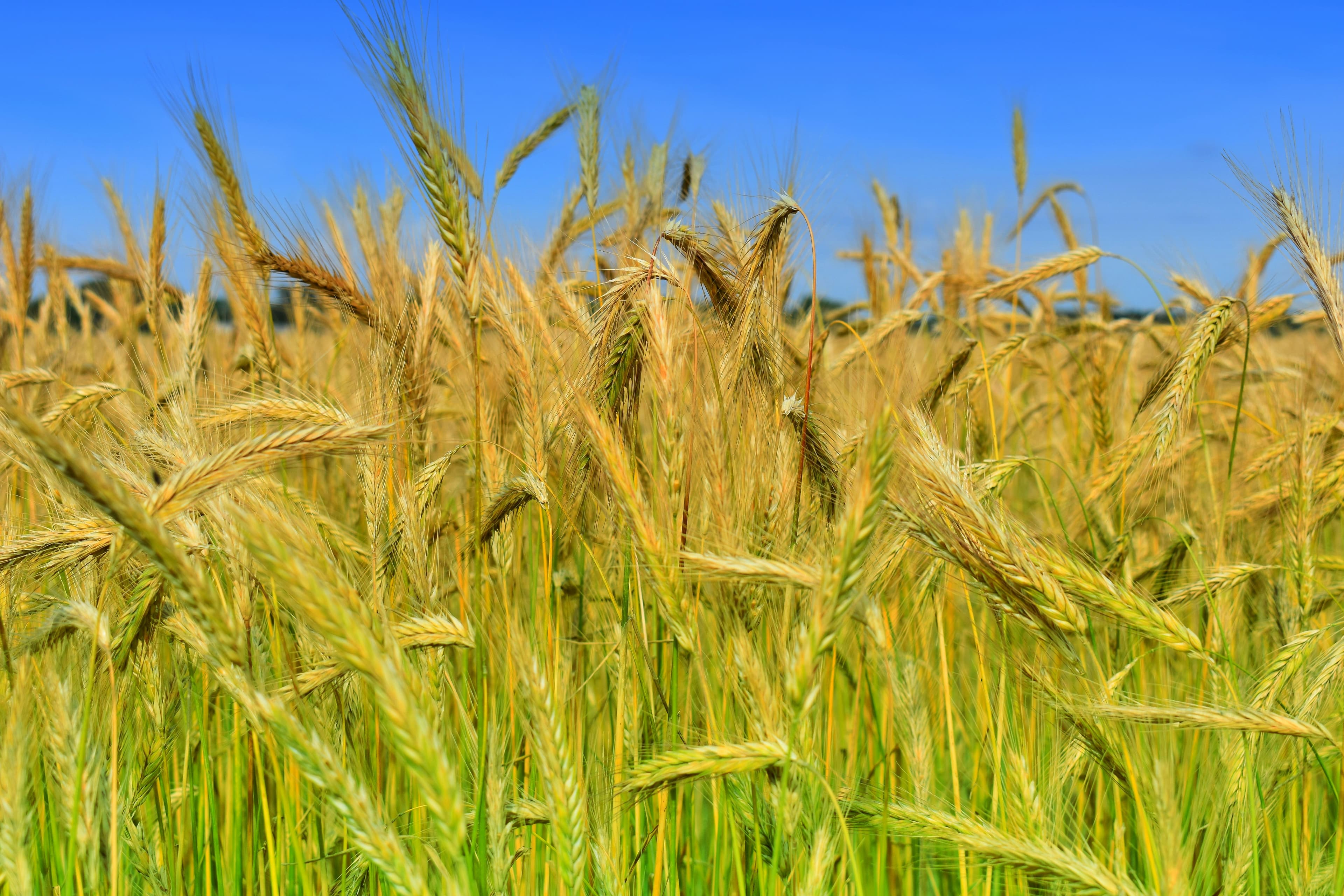
WHEAT AGRONOMY GUIDE – KENYA (BREAD & DURUM)
📋Crop Overview
Crop Name: Wheat
Botanical Name: Triticum aestivum (bread wheat), Triticum durum (durum wheat)
Economic Importance:
Wheat is one of Kenya’s major cereal crops and a key strategic commodity. Local production does not fully meet demand, creating strong market pull for locally produced grain—especially in high-potential wheat belts.
📋Agro-Ecological Suitability (Kenya AEZ)
Wheat performs best in cool to moderate temperatures with well-distributed rainfall or irrigation.
| AEZ Zone | Typical conditions | Suitability | Notes |
|---|---|---|---|
| Upper Highlands (UH) | Cool, often wet | ✅ Good | Disease pressure can be high; manage rusts and septoria |
| Lower Highlands (LH) | Cool–moderate | ✅ Excellent | Main wheat zones; best yield potential |
| Upper Midlands (UM) | Warm–moderate | ⚠️ Moderate | Works in cooler windows/irrigated; heat can reduce grain filling |
| Lower Midlands (LM) | Warmer, drier | ⚠️ Limited | Only with irrigation and heat-tolerant varieties |
| ASAL / Lowlands | Hot, dry | ❌ Poor | Not recommended except niche irrigated areas |
Typical wheat counties: Narok, Nakuru, Uasin Gishu, Trans Nzoia, Laikipia, Timau/Meru highlands, parts of Nyandarua.
📋Optimal Growing Conditions (Refined)
- •Altitude: ~1,500–2,700 m a.s.l.
- •Temperature: 15–25°C (grain filling best around ~18–22°C)
- •Rainfall / water need: ~450–650 mm per season (or irrigation supplement)
- •Soil pH: 6.0–7.5
- •Soils: well-drained clay loam to sandy loam, good structure
Key note: Heat and moisture stress during flowering–grain filling can reduce yields sharply.
📋Variety Selection (Kenya Context)
Variety choice should align with:
- •altitude/temperature
- •rust pressure
- •end-use market (bread vs pasta)
- •planting window
Examples you listed (market availability varies by season):
- •Bread wheat: Kenya Tai, Kingbird, Robin, Eagle 10
- •Durum: Mwamba, Tausi
Prefer varieties with strong resistance/tolerance to stem rust and leaf rust for your zone.
📋1) Land Preparation & Planting
Soil Preparation
- •Plough 20–25 cm, 2–3 weeks before planting
- •Harrow to fine tilth and remove weeds
- •Level land for uniform germination (important for drilled wheat)
Planting Window (Kenya)
- •Long rains: March–April
- •Short rains: September–October (where suitable moisture exists)
In high potential wheat belts, planting is often timed to match reliable moisture and reduce late-season disease/heat risk.
Seed Rate & Spacing (Practical)
- •Drilling (recommended): 75–100 kg/ha
- •Broadcasting: 120–150 kg/ha (higher because establishment is less uniform)
- •Row spacing: 15–20 cm
- •Depth: 3–5 cm (deeper in sandy soils if moisture is low)
Why drilling is better
- •better plant stand and uniformity
- •improved fertilizer placement
- •easier weed control
- •higher yield potential
Seed Treatment
Seed treatment reduces:
- •bunts/smuts
- •seedling blights
- •early damping-off-type losses
📋2) Nutrient Management (Refined)
Wheat yield depends strongly on nitrogen timing and adequate phosphorus early for rooting.
Typical Nutrient Demand (per hectare, guide)
- •N: 100–160 kg
- •P₂O₅: 40–80 kg
- •K₂O: 0–60 kg (depends on soil; many Kenyan wheat soils have moderate K)
Practical Fertilizer Strategy
A. Basal at planting
- •Apply P (and some N if using NPK) at planting
B. Top dressing (most important)
- •Topdress 1: early tillering (about 3–4 weeks after emergence)
- •Topdress 2: stem elongation to booting (about 6–8 weeks) depending on rainfall/irrigation and yield target
Avoid excessive late nitrogen in high disease risk areas—it can increase lodging and disease.
Micronutrients (where deficient)
- •Zinc can be limiting on some soils
- •Sulphur can be limiting on sandy/low organic matter soils
📋3) Water Management
- •Total water need: ~450–650 mm/season
- •Critical stages:
- •Tillering
- •Stem elongation
- •Flowering + grain filling (most critical)
Irrigation (where used)
- •Maintain moisture during flowering/grain filling
- •Avoid waterlogging
- •Stop irrigation near hard dough stage to allow drying
📋4) Weed Management
Critical weed-free period: first 6–8 weeks
Weeds reduce yield by competing for moisture and nitrogen and can raise disease/pest pressure.
Best practice
- •Start clean (pre-plant control)
- •Use early post-emergence weed control when weeds are small
- •Avoid late weeding (damage + low benefit)
Common weeds:
- •broadleaf weeds (mustards, sowthistle, chickweed)
- •grasses (wild oats, ryegrass-type volunteers)
📋5) Pest Management (Kenya-Relevant)
Major pests
- •Aphids (virus risk + direct feeding)
- •Armyworm (sporadic outbreaks; can defoliate rapidly)
- •Cutworms (early stage in some fields)
“Stem sawfly” is more commonly emphasized in North American wheat systems; in Kenya, focus usually stays on aphids, armyworm, and occasional termites/cutworms depending on locality.
IPM essentials
- •Regular scouting (especially from tillering to heading)
- •Early intervention on young larvae (armyworm)
- •Maintain field sanitation and avoid volunteer cereals
📋6) Disease Management (High Stakes)
Key diseases in wheat belts
- •Stem rust
- •Leaf rust
- •Septoria leaf blotch
- •Fusarium head blight (where cool/wet at flowering)
- •Bunts/smuts (seed-borne—controlled by seed treatment)
Core disease prevention
- •Resistant varieties
- •Correct nitrogen (avoid lush overly dense crop)
- •Timely fungicides based on scouting and risk periods
- •Crop rotation and residue management where practical
Fusarium head blight note
- •Highest risk when rain/humidity coincides with flowering
- •Grain can have quality/mycotoxin issues; prevention timing is crucial (early flowering)
📋7) Growth Stages & Key Actions
| Stage | Approx. timing | What matters most |
|---|---|---|
| Germination | 5–10 days | moisture, good seed placement |
| Seedling | 10–21 days | early weed control planning |
| Tillering | 3–5 weeks | Topdress 1, weed control, start scouting |
| Stem elongation | 5–8 weeks | Topdress 2, lodging/rust risk check |
| Booting–Heading | 8–11 weeks | moisture adequacy, rust monitoring |
| Flowering–Grain fill | 10–14 weeks | most yield-sensitive; protect from rust/FHB if at risk |
| Maturity | 14–20 weeks | harvest readiness + drying |
📋8) Harvesting & Post-Harvest
Maturity Indicators
- •Grain hard; not dented by thumbnail
- •Straw golden brown
- •Grain moisture roughly 14–16% at harvest; dry to 12–13% for safe storage
Harvesting
- •Combine harvesting (commercial scale) preferred
- •Avoid delayed harvesting to reduce shattering and weather damage
Storage
- •Clean grain (remove chaff/foreign matter)
- •Store dry and cool
- •Monitor pests; use approved storage protection methods as per label/regulations
📋Expected Yields (Kenya-Realistic)
- •Moderate inputs: 2.5–3.5 t/ha
- •Good management: 4.0–5.5 t/ha
- •Strong management + good season: 6.0–8.0 t/ha possible in high potential wheat zones
Main yield limiters
- •Late planting
- •Poor nitrogen timing
- •Rust pressure
- •Weed competition (especially early)
- •Water/heat stress during grain fill
- •Lodging (excess N + weak variety + high winds/rain)
📋Key Success Factors
✅ Plant on time in high-potential wheat windows
✅ Drill seed for uniform stand and better yield
✅ Seed treat to prevent bunts/smuts and early seedling loss
✅ Split nitrogen (tillering + stem elongation/booting)
✅ Keep crop weed-free in the first 6–8 weeks
✅ Scout rusts early and act quickly when risk rises
✅ Protect flowering/grain fill from stress (water + disease)
✅ Harvest at correct moisture and store dry
Find Jojemi Products for Wheat
All products mentioned in this guide are available through our network of 200+ authorized distributors across Kenya.
Need Expert Advice?
Our agronomists provide personalized guidance for your wheat farming operation.
Call Us
+254 795 364 079Email Us
info@jojemieastafrica.co.keVisit Us
Solitaire Business Park
Juja, Nairobi


