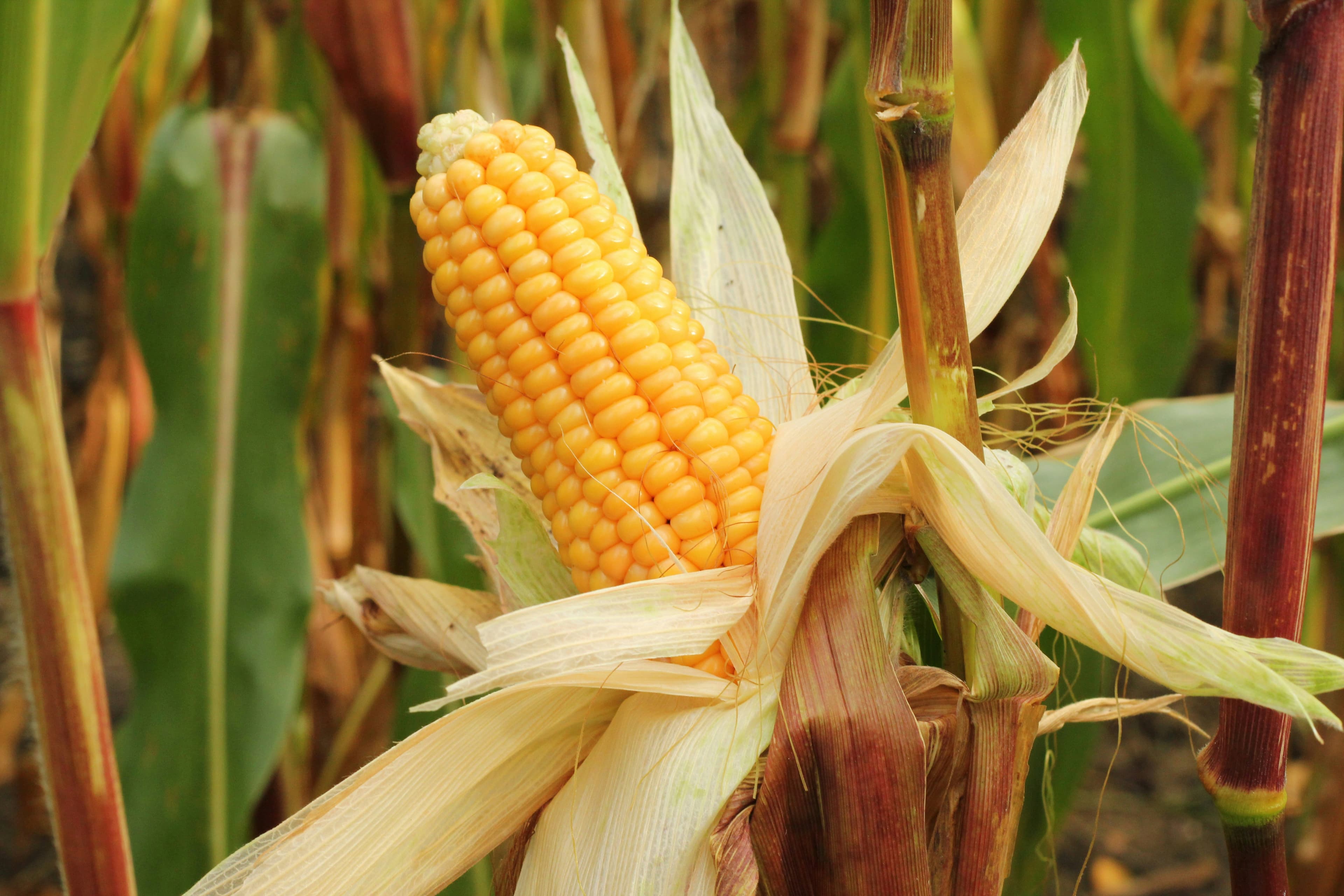
MAIZE AGRONOMY GUIDE – KENYA (GRAIN & FOOD SECURITY)
📋Crop Overview
Crop Name: Maize
Botanical Name: Zea mays
Importance:
Maize is Kenya’s most important staple crop and a key pillar of food security. It is grown across many agro-ecological zones under both rain-fed and irrigated systems.
📋Agro-Ecological Suitability (Kenya AEZ)
Maize is widely adaptable, but yield potential depends on rainfall reliability, soil fertility, and temperature.
| AEZ Zone | Typical conditions | Suitability | Notes |
|---|---|---|---|
| Upper Highlands (UH) | Cool, high rainfall | ✅ Good | Use early/medium varieties to escape cold/frost risk |
| Lower Highlands (LH) | Cool–moderate, reliable rainfall | ✅ Excellent | High yield potential with good fertility |
| Upper Midlands (UM) | Warm–moderate | ✅ Excellent | Major maize belt; manage N and fall armyworm |
| Lower Midlands (LM) | Warm, variable rainfall | ⚠️ Moderate | Prefer drought-tolerant varieties; moisture conservation needed |
| ASAL / Lowlands | Hot, low/erratic rainfall | ⚠️ Limited | Only with early varieties + water harvesting/irrigation |
High-potential maize areas: Trans Nzoia, Uasin Gishu, Bungoma, Nakuru, Nandi, parts of Kericho.
Medium potential: parts of Embu, Meru, Laikipia, Bomet, Nyeri (lower zones).
Lower potential/ASAL: Machakos, Makueni, Kitui, parts of Tana River (early varieties + moisture conservation).
📋Optimal Growing Conditions
- •Temperature: 18–30°C (optimum ~20–27°C)
- •Rainfall requirement: ~500–800 mm per season (well distributed)
- •Soil: deep, well-drained loam/clay loam with good organic matter
- •Soil pH: 5.5–7.0 (best performance around ~6.0–6.8)
Key note: In Kenya, maize yield is usually limited more by nitrogen, moisture stress, and pests than by seed alone.
📋Land Preparation
- •Clear field residues and weeds early
- •Plough and harrow to fine tilth (especially for direct seeding)
- •Where erosion risk exists, use contour farming and retain residues as mulch
📋Planting
Planting Windows (General Kenya Pattern)
- •Long rains: March–April (varies by county and onset)
- •Short rains: October–November (mainly midlands/ASAL and some zones)
Plant as soon as effective rains begin (not just first showers). Delayed planting reduces yield sharply in many zones.
Seed & Spacing (Target Plant Population)
Recommended depends on variety and rainfall potential.
| Yield environment | Spacing | Plants/ha (approx.) |
|---|---|---|
| High potential (LH/UM, good rainfall) | 75 cm × 25 cm (1 plant/hill) | ~53,000 |
| Medium potential | 75 cm × 30 cm | ~44,000 |
| Low rainfall / ASAL | 90 cm × 30 cm | ~37,000 |
Planting depth: 3–5 cm (deeper in sandy soils if moisture is low)
📋Nutrient Management (Practical, Kenya-Ready)
Maize responds strongly to:
- •Nitrogen (N) for grain yield
- •Phosphorus (P) early for roots and vigor
- •Potassium (K) where soils are deficient (important for stress tolerance)
1) Basal at Planting
- •Use NPK or DAP depending on soil test and local recommendations
- •Place fertilizer 5 cm to the side and 5 cm below seed (“5x5 rule”) to avoid seed burn
2) Top Dressing (Most Important Step)
- •Apply nitrogen when maize is actively growing:
- •Top dress 1: 3–4 weeks after emergence (knee-high)
- •Top dress 2: 6–8 weeks (before tasseling) in high potential zones
Common nitrogen sources: CAN or Urea
Avoid top dressing when the crop is moisture-stressed and rain is not expected soon.
Organic Matter (Highly Recommended)
- •Farmyard manure/compost improves soil structure and water holding
- •Especially helpful in LM/ASAL zones
📋Water & Moisture Management
Critical Water Stages
- •Establishment (0–3 weeks)
- •Tasseling & silking (flowering) – most yield-sensitive stage
- •Grain filling
Moisture conservation practices
- •Early weeding (weeds steal moisture)
- •Mulching with crop residues
- •Minimum tillage where possible
- •Tied ridges / zai pits in ASAL areas
📋Weed Management
Critical period: first 4–6 weeks after emergence
- •Weed early and keep field clean until canopy closes
- •2 timely weedings often outperform late “heavy” weeding
Options:
- •Hand hoeing / shallow cultivation
- •Mulching
- •Herbicides where appropriate (only with correct product/timing)
📋Pest Management (Kenya Priorities)
Major Pests
- •Fall Armyworm (FAW) (Spodoptera frugiperda)
- •Stem borers (various species)
- •Termites (especially in dry zones)
- •Cutworms (early stage)
Integrated Pest Management (IPM)
- •Scout weekly (especially 2–6 weeks after emergence)
- •Control early (young larvae are easier to manage)
- •Use tolerant varieties where available
- •Maintain field hygiene; avoid continuous maize without rotation
FAW quick field checklist
- •Check the whorl for fresh frass (sawdust-like droppings)
- •Act early before larvae become large and hide deep
📋Disease Management
Common Diseases
- •Maize streak virus (MSV) (spread by leafhoppers; more common in warm zones)
- •Grey leaf spot (GLS) (humid/high rainfall areas)
- •Northern leaf blight (cooler highlands & humid zones)
- •Maize lethal necrosis (MLN) (high risk where present; prevention is key)
Best practices
- •Plant certified seed
- •Rotate with legumes (beans, soybean, groundnuts)
- •Destroy volunteer maize and grass hosts
- •Avoid late planting where disease pressure is high
- •Use resistant/tolerant varieties when available
📋Harvesting & Post-Harvest
Harvest Maturity
- •Cobs dry, husks turn brown
- •Kernels hard; black layer formed (physiological maturity)
Drying
- •Dry grain to ~13–14% moisture for safe storage
- •Dry on clean tarpaulins (avoid soil contamination)
Storage (Critical for Food Safety)
- •Use clean, dry stores
- •Use hermetic bags/silos where possible
- •Control storage pests early (weevils, larger grain borer)
- •Keep grain cool and dry to reduce aflatoxin risk
📋Expected Yields (Realistic Ranges)
| System | Typical yield |
|---|---|
| Low rainfall / low input | 0.8–2.5 t/ha |
| Medium potential + fair input | 2.5–5.0 t/ha |
| High potential + good management | 5.0–9.0 t/ha |
| Excellent management (best zones) | 9.0+ t/ha possible |
Yield is mostly driven by: timely planting + nitrogen management + weed control + pest control at early stages.
📋Key Success Factors
✅ Plant on time with the first effective rains
✅ Correct spacing for your AEZ (don’t overcrowd ASAL fields)
✅ Basal P at planting + timely N top dressing
✅ Weed control within first 4–6 weeks
✅ Weekly scouting for FAW and early control
✅ Moisture conservation in LM/ASAL zones
✅ Dry grain properly and store safely
Find Jojemi Products for Maize
All products mentioned in this guide are available through our network of 200+ authorized distributors across Kenya.
Need Expert Advice?
Our agronomists provide personalized guidance for your maize farming operation.
Call Us
+254 795 364 079Email Us
info@jojemieastafrica.co.keVisit Us
Solitaire Business Park
Juja, Nairobi


