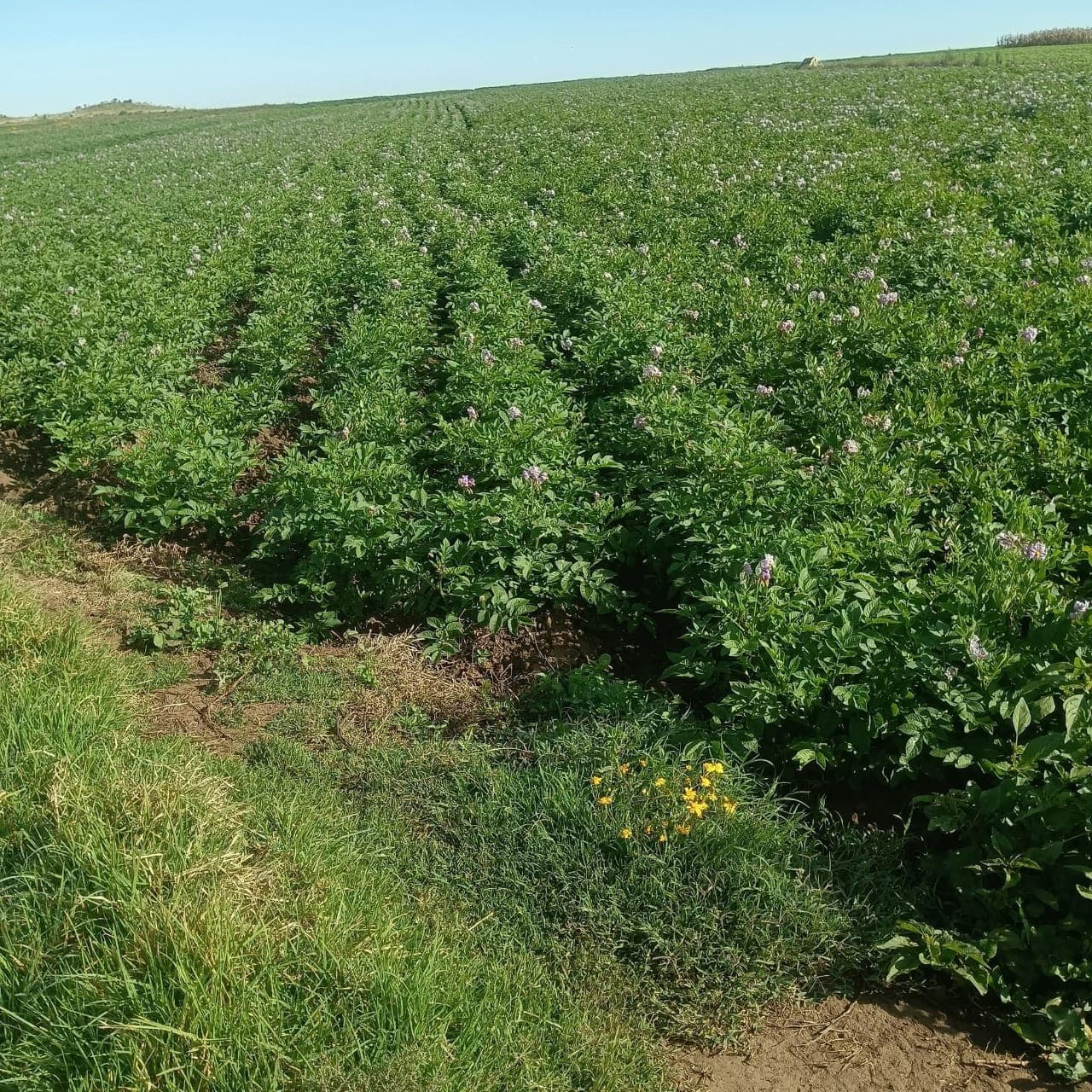
POTATO AGRONOMY GUIDE – KENYA (IRISH POTATO)
📋Crop Overview
Crop Name: Potato / Irish potato
Botanical Name: Solanum tuberosum
Economic Importance:
Potato is Kenya’s leading vegetable by value and a major food and cash crop in highland zones. It supports farm incomes, rural employment, and urban food supply chains.
📋Agro-Ecological Suitability (Kenya AEZ)
Potato performs best under cool temperatures and reliable moisture with good drainage.
| AEZ Zone | Typical conditions | Suitability | Notes |
|---|---|---|---|
| Upper Highlands (UH) | Cool, high rainfall | ✅ Excellent | Frost risk in some pockets; blight pressure high |
| Lower Highlands (LH) | Cool–moderate | ✅ Excellent | Main potato belt; strong yield potential |
| Upper Midlands (UM) | Warm–moderate | ✅ Good | Needs careful timing (cooler windows) |
| Lower Midlands (LM) | Warmer | ⚠️ Moderate | Only cooler seasons/irrigated; pests + heat risk |
| ASAL / Lowlands | Hot, dry | ❌ Poor | Not recommended except niche irrigated cool microclimates |
Common potato counties: Nyandarua, Nakuru, Bomet, Narok, Meru (higher areas), Elgeyo-Marakwet, Nyeri (higher zones), Kiambu (higher zones), Kericho.
📋Optimal Growing Conditions (Verified + Practical)
- •Altitude: ~1,500–3,000 m a.s.l.
- •Temperature: 15–20°C (optimum around ~18°C)
- •Tuber initiation: benefits from cool nights (~10–15°C)
- •Rainfall / Water requirement: 500–700 mm per season, well distributed
- •Soil pH: 5.0–6.5 (slightly acidic)
- •Soil: deep (≥30 cm), loose, well-drained sandy loam to loam
- •Frost: potatoes are sensitive; avoid frequent frost sites or plant in safer windows
Key note: Potato success in Kenya is mainly limited by seed quality, late blight, and moisture management.
📋Recommended Varieties (Kenya Context)
Variety availability changes by seed systems and seasons. Use certified sources and local extension guidance.
Early (≈90–100 days)
- •Tigoni
- •Annet
- •Dutch Robijn
Medium (≈100–120 days)
- •Shangi
- •Kenya Mpya
- •Asante
- •Unica
Late (≈120–140 days)
- •Roslin Tana
- •Roslin Eburu
- •Markies (processing)
📋1) Seed Selection & Pre-Planting Preparation
Seed Quality (Non-negotiable)
Use certified seed to reduce:
- •bacterial wilt and blackleg risks
- •viral degeneration (PVY/PLRV)
- •uneven emergence and poor vigor
Seed Size & Cutting (Refined Safety)
- •30–40 g: plant whole
- •40–60 g: plant whole or cut once (only if seed is limited)
- •60–90 g: cut into 2 pieces
- •Each piece should have 2–3 eyes
Cutting rules
- •Cut 1–2 days before planting to heal (suberize)
- •Use clean knives; disinfect regularly
- •Avoid cutting when bacterial wilt risk is high or hygiene is poor (whole seed is safer)
Seed Rate (Practical Ranges)
- •Whole small seed: 1.5–2.0 t/ha
- •Medium seed: 2.0–2.5 t/ha
- •Cut seed: 2.5–3.0 t/ha
Pre-sprouting (Chitting)
Benefits: faster emergence, uniform stand, improved yield and early harvest.
Method
- •Spread seed in a single layer under diffused light
- •Cool, ventilated space (~10–15°C ideal)
- •2–4 weeks until sprouts are 1–2 cm
- •Handle carefully to avoid breaking sprouts
📋2) Land Preparation & Planting
Soil Preparation
- •Plough 25–30 cm (break hardpan)
- •Harrow to fine tilth
- •Remove stones and large clods (improves tuber shape)
Soil Testing & pH
- •Test pH and nutrients each season if possible
- •Lime if pH is below ~5.0 (apply early; mix well before planting)
Ridging & Planting
- •Row spacing (ridge centers): 75 cm
- •In-row spacing: 30 cm
- •Population: ~44,000 plants/ha
- •Planting depth: 10–15 cm measured from ridge top
- •Plant with sprouts facing upward
Planting calendar (Kenya)
- •Long rains: March–April (major window)
- •Short rains: Sept–Oct where temperatures and rainfall allow
📋3) Nutrient Management (Refined)
Potatoes are heavy feeders, especially Potassium (K) for tuber size, dry matter, and storability.
Total Nutrient Guide (per hectare)
- •N: 100–150 kg
- •P₂O₅: 80–120 kg
- •K₂O: 120–200 kg
- •Mg + S: important in leached/high rainfall soils
Avoid excess nitrogen late in the season: it delays maturity and reduces tuber quality.
Fertilizer Strategy (Simple + Effective)
- •Apply most P and K at planting (basal)
- •Split N (and part of K where needed) early
Example schedule (guide)
- •Basal (at planting): P-rich fertilizer + part of N + most K
- •Topdress 1: 3–4 weeks after emergence
- •Topdress 2 (optional): 6–8 weeks (tuber initiation) if crop is vigorous and moisture is adequate
Micronutrients (Quality drivers)
- •Boron: reduces hollow heart / quality defects (avoid over-application)
- •Zinc: supports growth enzymes
- •Magnesium: common deficiency in high rainfall zones (yellowing on older leaves)
📋4) Water Management
Water Requirement
- •Total seasonal need: 500–700 mm
- •Most critical stages:
- •Tuber initiation (≈5–7 weeks)
- •Tuber bulking (≈7–12 weeks)
Irrigation guidance (practical)
- •Keep soil consistently moist (not saturated)
- •Avoid moisture swings → cracking and internal defects
- •Reduce irrigation as crop matures
- •Stop irrigation 2–3 weeks before harvest to set skin and reduce rots
Methods
- •Furrow (common)
- •Drip (best efficiency; reduces foliar wetness)
- •Sprinkler (works but increases leaf wetness and blight risk)
📋5) Pest Management (Kenya Priorities)
Major Pests
- •Potato tuber moth (Phthorimaea operculella) – field + storage pest
- •Aphids – transmit viruses (PVY/PLRV)
- •Cutworms – early crop damage
- •Whiteflies – minor direct damage; can contribute to virus dynamics in some settings
IPM essentials
- •Plant certified seed (virus prevention starts here)
- •Rogue volunteer potatoes and solanaceous weeds
- •Earthing up properly (protect tubers from moth and greening)
- •Scout weekly; control early-stage infestations
📋6) Disease Management (High-Stakes Section)
Late Blight (Phytophthora infestans) – #1 Threat
- •Can destroy crop fast under cool, wet, humid conditions
- •Prevention is key: start protection early and maintain coverage in wet periods
Best practice principles
- •Use resistant/tolerant varieties where possible
- •Improve airflow (spacing + ridging + avoid excessive N)
- •Avoid overhead irrigation late in day
- •Rotate fungicide modes of action (resistance management)
Early Blight (Alternaria solani)
- •More common in warm conditions and older foliage
- •Manage with balanced nutrition and fungicide programs aligned with risk
Bacterial Wilt (Ralstonia solanacearum) – No Cure
- •Major cause of field losses and seed rejection
- •Control is through prevention:
- •clean seed
- •crop rotation (3–4 years away from solanaceae)
- •field hygiene and water management
- •avoid moving contaminated soil/water between fields
Viruses (PVY, PLRV, etc.)
- •Mainly prevented by certified seed + aphid management
- •Farm-saved seed degenerates rapidly in high aphid pressure zones
Rhizoctonia (Black scurf / stem canker)
- •Reduced by seed treatment, warm well-prepared soils, and rotation
Common Scab (cosmetic)
- •Risk increases in higher pH and dry tuber initiation periods
- •Manage pH and moisture at tuber initiation
📋7) Weed Control
Critical weed-free period: first 6–8 weeks
- •Weed early to protect yield and reduce pest reservoirs
- •Earthing up also suppresses weeds
Approaches
- •Hand/mechanical weeding + earthing up
- •Mulching where feasible
- •Herbicides only where correct product and timing are known and safe
📋8) Key Field Operations Timeline
| Stage | Weeks after planting | What to do |
|---|---|---|
| Emergence | 2–3 | Scout pests; light weeding |
| Early growth | 3–4 | Topdress 1; first earthing up |
| Rapid growth | 4–6 | Start blight prevention strategy (risk-based) |
| Tuber initiation | 6–8 | Critical moisture; second earthing up; topdress 2 if needed |
| Bulking | 8–12 | Maintain blight control; manage tuber moth; avoid stress |
| Maturity | 12+ | Reduce irrigation; prepare harvest |
| Pre-harvest | last 2 weeks | Stop irrigation; dehaulm if needed |
📋9) Harvesting & Post-Harvest
Maturity Indicators
- •Natural senescence (haulms yellow and dry)
- •Skin set: tuber skin does not rub off easily
Harvest best practice
- •Harvest when soil is not waterlogged
- •Handle gently (bruising = storage rot entry)
- •Keep tubers out of sunlight (prevents greening)
Dehaulming (Vine killing)
- •10–14 days before harvest where timing/market demands require it
- •Benefits: better skin set, reduced tuber blight risk, improved storability
Curing
- •Cure tubers in a shaded, ventilated area
- •Helps heal minor wounds and improves storage life
Storage (practical)
- •Store cool, dry, dark, well-ventilated
- •Remove damaged/diseased tubers before storage
- •Monitor regularly for rots and sprouting
📋Expected Yields (Kenya-Realistic)
- •Moderate management: 15–25 t/ha
- •Good management: 25–40 t/ha
- •Strong seed + strong blight program + good moisture: 40–60 t/ha
Biggest yield driver: certified seed + blight control + correct earthing up + moisture consistency.
📋Key Success Factors
✅ Certified seed (virus-free, true to type)
✅ Deep, well-drained soils and correct pH
✅ Correct spacing and strong ridging/earthing up
✅ Balanced nutrition (high K; avoid late excess N)
✅ Consistent moisture at tuber initiation and bulking
✅ Risk-based late blight prevention and fungicide rotation
✅ Bacterial wilt prevention through hygiene and rotation
✅ Gentle harvest + proper curing and storage
Find Jojemi Products for Potatoes
All products mentioned in this guide are available through our network of 200+ authorized distributors across Kenya.
Need Expert Advice?
Our agronomists provide personalized guidance for your potatoes farming operation.
Call Us
+254 795 364 079Email Us
info@jojemieastafrica.co.keVisit Us
Solitaire Business Park
Juja, Nairobi


