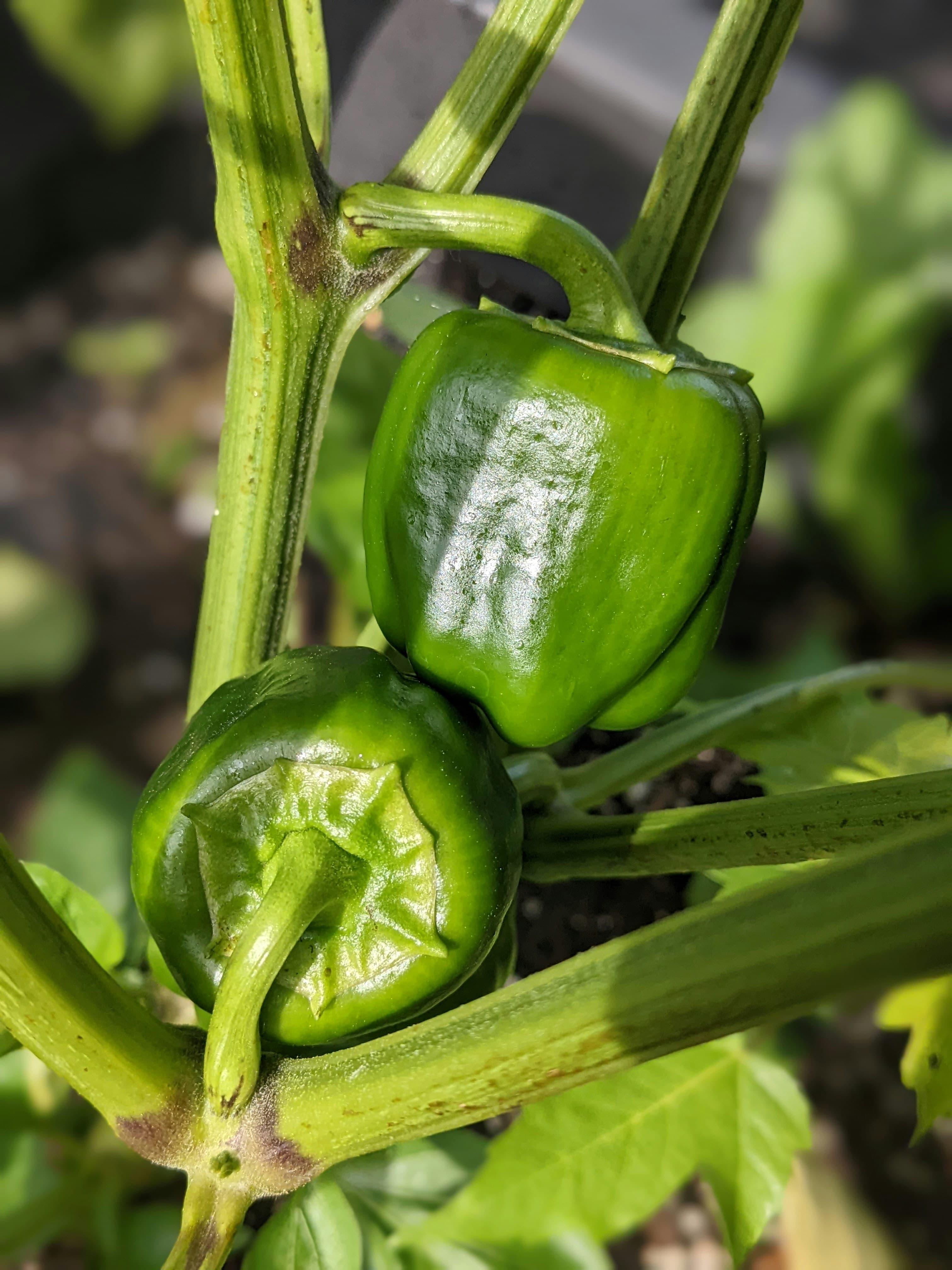
CAPSICUM (BELL PEPPER) AGRONOMY GUIDE – KENYA
📋Crop Overview
Crop Name: Capsicum / Sweet Pepper / Bell Pepper
Botanical Name: Capsicum annuum
Crop Type: Warm-season fruit vegetable
Economic Importance:
Capsicum is a high-value vegetable grown for fresh markets, processing, hotels, and export. It offers excellent returns per unit area and is widely produced under greenhouse and open-field systems in Kenya.
📋Agro-Ecological Suitability (Kenya AEZ)
Capsicum requires moderate temperatures, good drainage, and reliable moisture.
| AEZ Zone | Description | Suitability |
|---|---|---|
| Upper Highlands (UH) | Cool, high rainfall | ⚠️ Moderate (greenhouse preferred) |
| Lower Highlands (LH) | Cool–moderate | ✅ Good |
| Upper Midlands (UM) | Warm–moderate | ✅ Excellent |
| Lower Midlands (LM) | Warm | ✅ Good (irrigation required) |
| Lowlands (ASALs) | Hot, dry | ⚠️ Limited (greenhouse + drip only) |
Best Counties:
Kirinyaga, Kiambu, Murang’a, Meru, Embu, Nakuru, Machakos, Kajiado (greenhouse), Bungoma
📋Optimal Growing Conditions
- •Altitude: 1,000–2,100 m above sea level
- •Temperature:
- •Day: 21–30°C
- •Night: 16–21°C
- •Optimum: ~25°C
- •Water Requirement: 600–900 mm per season (or drip irrigation equivalent)
- •Soil pH: 6.0–7.0
- •Soil Type: Well-drained loam, high organic matter
Excess rainfall or poor drainage greatly increases Phytophthora and bacterial wilt risk.
📋Recommended Varieties (Kenya)
Sweet / Bell Peppers
- •California Wonder
- •Yolo Wonder
- •Red Knight F1
- •Yellow Bell F1
- •Orange Bell F1
Hot Peppers (Related Crops)
- •Cayenne
- •Jalapeño
- •Habanero
📋Nursery Management
- •Seed Rate: 200–300 g per hectare
- •Sowing Depth: 0.5–1 cm
- •Germination: 8–12 days at 25–30°C
- •Transplanting Age: 5–6 weeks (4–6 true leaves)
Best Practices
- •Use sterilized nursery media
- •Avoid waterlogging
- •Harden seedlings for 5–7 days before transplanting
📋Land Preparation & Transplanting
- •Ploughing Depth: ~30 cm
- •Organic Manure: 20–30 tons/ha (well decomposed)
- •Raised Beds: 15–20 cm high (essential in high rainfall areas)
Spacing
- •Open Field: 60 × 45 cm (~37,000 plants/ha)
- •Greenhouse: 50 × 40 cm (higher density, trained plants)
Transplanting
- •Late afternoon or cloudy conditions
- •Water immediately after transplanting
📋Nutrient Management (Refined)
Total Nutrient Requirement (per hectare)
- •Nitrogen (N): 120–180 kg
- •Phosphorus (P₂O₅): 60–90 kg
- •Potassium (K₂O): 150–220 kg
- •Calcium: Essential for fruit quality
- •Boron: Important for flowering and fruit set
Excess nitrogen causes lush growth, flower drop, and delayed fruiting.
Fertilizer Program (Guide)
| Stage | Nutrient Focus | Notes |
|---|---|---|
| Basal | Phosphorus + organic matter | Before transplanting |
| Early growth | Nitrogen | Vegetative development |
| Pre-flowering | Balanced NPK | Support flowering |
| Fruiting | High Potassium + Calcium | Fruit size & firmness |
| Foliar | Ca + Boron + Micronutrients | Weekly or bi-weekly |
📋Water Management
- •Critical Periods: Flowering and fruit development
- •Preferred Method: Drip irrigation
Irrigation Guide
- •Establishment: Light daily irrigation
- •Vegetative: Every 2–3 days
- •Flowering: Every 2 days (critical)
- •Fruiting: Every 2–3 days
Moisture stress or fluctuation leads to blossom end rot and fruit cracking.
📋Pest Management (Integrated)
Major Pests
- •Aphids (Aphis gossypii)
- •Whiteflies (Bemisia tabaci)
- •Thrips (Frankliniella occidentalis)
- •Spider mites (Tetranychus urticae)
- •Fruit borers (Helicoverpa armigera)
Key Principles
- •Weekly scouting
- •Early intervention
- •Rotate insecticide modes of action
- •Combine chemical and biological control
📋Disease Management
Major Diseases
▸Bacterial Wilt (Ralstonia solanacearum)
- •Sudden wilting, no recovery
- •No chemical cure
- •Use resistant varieties and crop rotation
▸Bacterial Spot
- •Leaf and fruit lesions
- •Preventive copper sprays recommended
▸Anthracnose
- •Sunken fruit lesions
- •Common in humid conditions
▸Powdery Mildew
- •White powdery growth on leaves
- •Favored by dry conditions with high humidity
▸Phytophthora Blight (Phytophthora capsici)
- •Root, stem, and fruit rot
- •Strongly linked to poor drainage
▸Viral Diseases (CMV, TSWV, TMV)
- •Transmitted by aphids, thrips, whiteflies
- •Rogue infected plants early
📋Weed Management
- •Critical Period: First 6–8 weeks
- •Effective Options:
- •Mulching (plastic or organic)
- •Shallow hand weeding
- •Selective grass herbicides only
Avoid deep cultivation to prevent root damage.
📋Staking & Pruning
Staking
- •Install stakes or trellis 2–3 weeks after transplanting
- •Prevent lodging and fruit contact with soil
Pruning (Optional)
- •Remove lower leaves touching soil
- •Maintain 2–3 main stems for improved fruit size
- •Improves airflow and disease control
📋Growth Stages
| Stage | Duration | Key Focus |
|---|---|---|
| Germination | 8–12 days | Warmth & moisture |
| Seedling | 5–6 weeks | Disease prevention |
| Establishment | 1–2 weeks | Irrigation |
| Vegetative | 3–6 weeks | Nitrogen & pest control |
| Flowering | 7–10 weeks | Calcium & Boron |
| Fruiting | 10+ weeks | Potassium & harvesting |
📋Harvesting & Post-Harvest
Maturity
- •Green fruits: 60–70 days after transplanting
- •Colored fruits: 80–90 days
Harvesting
- •Hand-pick with short stalk
- •Harvest every 3–5 days
- •Early morning preferred
Storage
- •Temperature: 7–10°C
- •RH: 85–95%
- •Shelf life: 2–3 weeks
📋Expected Yields (Kenya)
- •Open Field: 20–30 tons/ha
- •Greenhouse: 40–60 tons/ha
📋Key Yield-Limiting Factors
- •Poor drainage
- •Bacterial wilt
- •Blossom end rot (Calcium deficiency)
- •Whiteflies and aphids (virus vectors)
- •Heat stress
- •Excess nitrogen
- •Poor staking
📋Key Success Factors
- •Healthy, uniform seedlings
- •Drip irrigation
- •Balanced nutrition (especially K & Ca)
- •Good drainage
- •Vector control
- •Staking and pruning
- •Timely harvesting
Find Jojemi Products for Capsicum (Bell Peppers)
All products mentioned in this guide are available through our network of 200+ authorized distributors across Kenya.
Need Expert Advice?
Our agronomists provide personalized guidance for your capsicum (bell peppers) farming operation.
Call Us
+254 795 364 079Email Us
info@jojemieastafrica.co.keVisit Us
Solitaire Business Park
Juja, Nairobi


