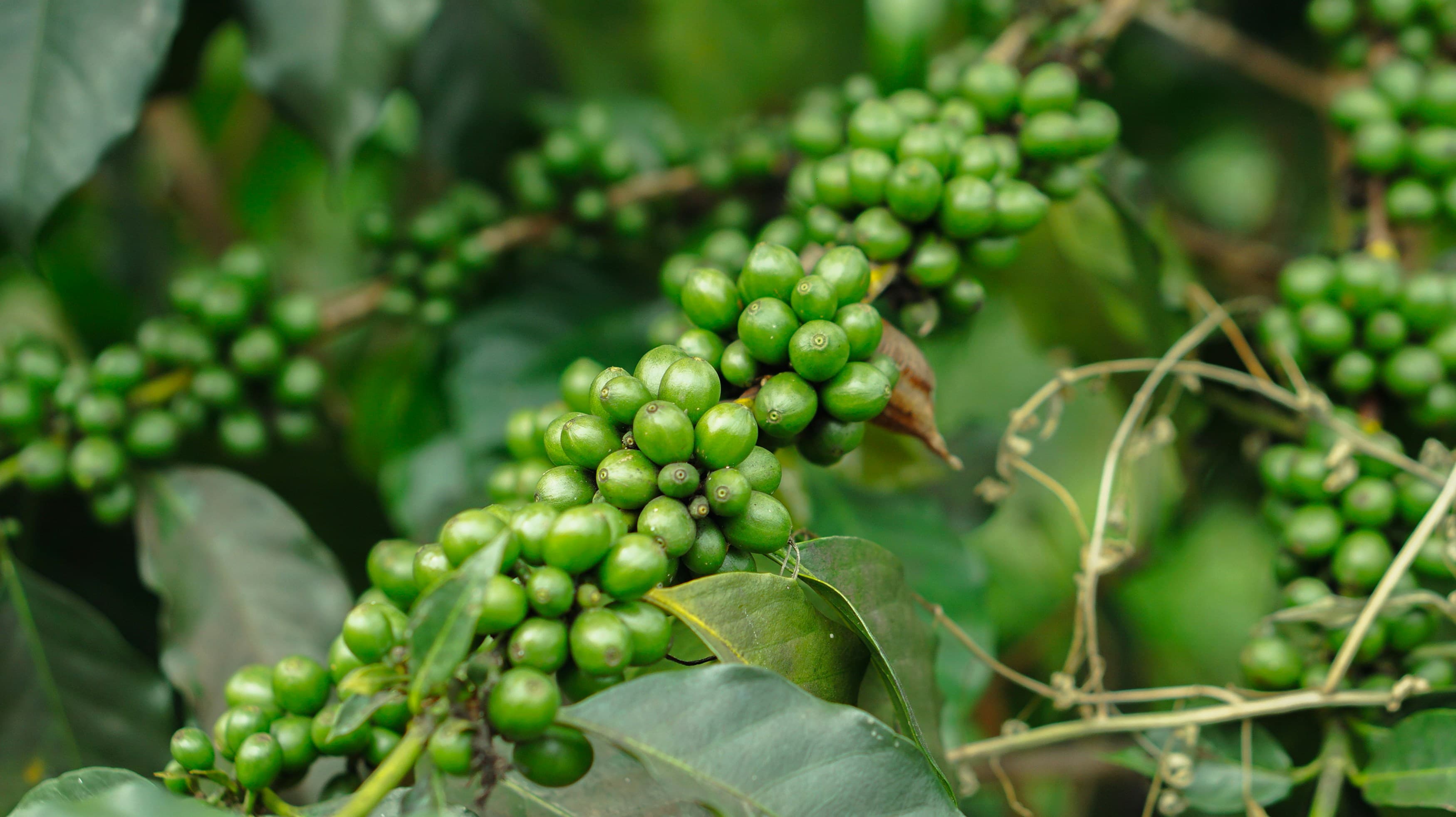
COFFEE AGRONOMY GUIDE – KENYA (ARABICA & ROBUSTA)
📋Crop Overview
Crop Name: Coffee
Botanical Names: Coffea arabica (Arabica), Coffea canephora (Robusta)
Economic Importance:
Coffee is one of Kenya’s key export crops and a major livelihood source for hundreds of thousands of smallholder households. Kenya is globally known for high-quality washed Arabica. :contentReference[oaicite:0]{index=0}
📋Agro-Ecological Suitability (Kenya AEZ)
Coffee performance is mainly driven by temperature (altitude), rainfall, and soil drainage.
| AEZ Zone | Description | Arabica Suitability | Robusta Suitability |
|---|---|---|---|
| Upper Highlands (UH) | Cool, high rainfall | ✅ Very good (where frost risk is low) | ❌ Too cool |
| Lower Highlands (LH) | Cool–moderate, reliable rainfall | ✅ Excellent | ⚠️ Limited |
| Upper Midlands (UM) | Moderate temperatures | ✅ Good–Excellent | ✅ Good (warm UM) |
| Lower Midlands (LM) | Warm, semi-humid | ⚠️ Heat stress risk | ✅ Good–Excellent |
| Lowlands / ASALs | Hot, dry | ❌ Not suitable (unless irrigated & shaded) | ⚠️ Possible only in humid lowlands |
Typical Kenya pattern:
- •Arabica: mainly high plateaus / highlands (Mount Kenya region, parts of Rift/Western highlands) :contentReference[oaicite:1]{index=1}
- •Robusta: lower altitude, warmer, more humid areas (not the dominant system nationally) :contentReference[oaicite:2]{index=2}
📋Optimal Growing Conditions
Arabica Coffee (C. arabica)
- •Altitude: ~1,400–2,000 m (commonly cited range in Kenya) :contentReference[oaicite:3]{index=3}
- •Temperature: ~15–24°C (optimum often around ~18–21°C) :contentReference[oaicite:4]{index=4}
- •Rainfall: ≥1,000 mm/year (well distributed; mulching essential where rainfall is near minimum) :contentReference[oaicite:5]{index=5}
- •Soil pH: 5.0–6.5 (slightly acidic)
- •Soils: deep, well-drained, fertile soils (volcanic red soils are ideal in many coffee zones) :contentReference[oaicite:6]{index=6}
Robusta Coffee (C. canephora)
- •Temperature: commonly ~22–26°C (warm, humid climates) :contentReference[oaicite:7]{index=7}
- •Altitude: often best at lower elevations (commonly <1,000 m depending on local climate) :contentReference[oaicite:8]{index=8}
- •Rainfall: typically higher rainfall requirement than Arabica in many guides :contentReference[oaicite:9]{index=9}
- •Relative tolerance: generally more tolerant than Arabica to some pests/diseases and heat (system-dependent)
📋Recommended Varieties (Kenya)
Arabica
- •SL28, SL34 (cup quality; disease susceptible under pressure)
- •Ruiru 11, Batian (noted for CBD/CLR resistance traits; widely promoted in Kenya) :contentReference[oaicite:10]{index=10}
Robusta
- •Produced in warmer low-altitude systems (variety choice is often region/program specific) :contentReference[oaicite:11]{index=11}
📋1) Nursery, Establishment & Spacing
Nursery Management
- •Raise seedlings in sleeves/pots with well-prepared media
- •Nursery period: commonly 6–12 months depending on system and seedling vigor
- •Transplanting: at onset of rains when seedlings are vigorous and hardened
Field Planting
- •Planting holes: ~60 × 60 × 60 cm (common recommendation in Kenya systems)
- •Mix topsoil with well-decomposed manure/compost
Spacing Options (choose based on variety, rainfall, management intensity)
- •Traditional: ~2.7 × 2.7 m (~1,370 trees/ha)
- •Moderate density: ~2.1 × 2.4 m (~2,000 trees/ha)
- •High density (intensive systems): possible with improved varieties + strong pruning, nutrition, and pest management
High density is feasible but management-demanding (pruning, nutrition, disease control must be excellent).
📋2) Nutrient Management (Refined, Practical)
Coffee nutrient needs vary strongly by:
- •yield target, soil fertility, rainfall leaching, pruning intensity, and shade.
Timing (Kenya pattern)
- •Apply in splits aligned with rains:
- •Start of long rains (Mar–Apr)
- •Start of short rains (Sep–Oct)
- •Optional mid-season split if rains are long and soils are leaching-prone
Method
- •Apply in a ring around the drip line (away from trunk)
- •Incorporate lightly and mulch where possible
Micronutrients that matter in Kenya coffee
- •Magnesium (Mg): deficiencies common in high rainfall/leached soils; correct via soil/foliar programs
- •Zinc (Zn), Boron (B): support flowering, bean set, and growth balance
Best practice: base final rates on soil + leaf analysis, especially in mature fields.
📋3) Water, Shade & Soil Moisture
- •Coffee benefits from a short dry spell to synchronize flowering, but drought stress during berry fill reduces yield and quality.
- •Mulching: 10–15 cm organic mulch conserves moisture and improves soil health. :contentReference[oaicite:12]{index=12}
- •Drainage: critical—coffee suffers under waterlogging.
📋4) Pest Management (IPM First)
Key Pests
- •Coffee Berry Borer (CBB) (Hypothenemus hampei): quality and yield losses; reduce carryover by clean harvest & sanitation.
- •Antestia bugs: linked to quality defects (“potato taste”); manage through monitoring + timely control.
- •Leaf miner, scales, stem borers: monitor hotspots and manage with cultural + targeted control.
Core IPM moves
- •Frequent scouting (especially during berry development)
- •Sanitation: remove overripe/dried berries, “clean picking”
- •Pruning for airflow and spray penetration
📋5) Disease Management (Kenya Priority Diseases)
Kenya’s major diseases commonly cited include CBD, CLR, BBC, and Fusarium diseases. :contentReference[oaicite:13]{index=13}
Coffee Berry Disease (CBD) – Colletotrichum kahawae
- •Kenya’s most serious disease in many Arabica zones. :contentReference[oaicite:14]{index=14}
- •Timing is critical: protection is strongest when aligned to rainy infection periods.
Spray-program specifics vary by product label and local advisory; some programs focus protection during long rains and early berry stages. :contentReference[oaicite:15]{index=15}
Coffee Leaf Rust (CLR) – Hemileia vastatrix
- •Causes defoliation and yield decline.
- •Use resistant varieties where suitable + canopy management + timely fungicide strategy in wet periods. :contentReference[oaicite:16]{index=16}
Bacterial Blight of Coffee (BBC)
- •Often managed with copper-based protectants + sanitation in susceptible conditions. :contentReference[oaicite:17]{index=17}
Root rots / Fusarium complex
- •Emphasis on drainage, sanitation, and field hygiene. :contentReference[oaicite:18]{index=18}
📋6) Weed Management (Soil Conservation Approach)
- •Maintain ground cover to reduce erosion (do not keep soil bare).
- •Slash/spot-weed; use cover crops in young coffee where practical.
Herbicide caution: use only registered products and directed sprays to avoid crop injury.
📋7) Pruning & Canopy Management (Core to Yield + Disease Control)
Common pruning components
- •Formation (young coffee): train structure and remove low branches as needed
- •Desuckering: remove unwanted suckers regularly
- •Topping/capping: keep manageable height for harvest and spraying
- •Production pruning: remove dead/diseased/unproductive wood, open canopy
- •Rejuvenation (“change of cycle”): after several bearing years, renew per local recommendations and variety behavior
📋8) Growth Cycle (Kenya Pattern)
| Stage | Typical timing (varies by zone) | Key actions |
|---|---|---|
| Flower initiation | after a short dry spell | manage stress, mulch, avoid severe drought |
| Flowering | after rains | prioritize CBD/CLR protection where risky |
| Pinhead to berry set | early weeks post-flowering | maintain moisture & protection |
| Berry development | wet months | scout CBB + maintain canopy airflow |
| Ripening | main crop season | selective picking, sanitation |
| Post-harvest | after harvest | pruning, nutrition, field cleanup |
📋9) Harvesting & Processing (Quality = Money)
Harvesting
- •Pick only ripe cherries (selective picking).
- •Do “clean picking” to reduce CBB/CBD reservoirs.
Processing (Washed Kenya style)
- •Pulp → ferment → wash → dry to ~11–12% moisture before storage (avoid overdrying/rewetting).
📋10) Expected Yields (Realistic Ranges)
Yields vary widely by variety, age, management, and climate:
- •Young fields: lower yields as trees establish
- •Mature fields under good management: substantially higher
Use cherry-to-clean coffee conversion carefully (ratio varies with variety, moisture, processing and season).
📋Regulatory & Safety Notes (Important)
- •Do not recommend or use prohibited chemicals. For example, endosulfan is widely listed among ingredients Kenya has banned/withdrawn in recent regulatory actions and reports. :contentReference[oaicite:19]{index=19}
- •Always follow Kenya-registered labels, PHIs, and local extension guidance.
📋Key Success Factors (Kenya)
✅ Correct zone & variety selection (Arabica highlands; Robusta warm humid lowlands) :contentReference[oaicite:20]{index=20}
✅ Strong CBD/CLR strategy where disease pressure exists :contentReference[oaicite:21]{index=21}
✅ Pruning + canopy opening for airflow and spray penetration
✅ Split nutrition aligned to rains (plus Mg/Zn/B where deficient)
✅ Mulching, drainage, and soil conservation
✅ Clean harvesting + fast, hygienic processing for quality premiums
Find Jojemi Products for Coffee
All products mentioned in this guide are available through our network of 200+ authorized distributors across Kenya.
Need Expert Advice?
Our agronomists provide personalized guidance for your coffee farming operation.
Call Us
+254 795 364 079Email Us
info@jojemieastafrica.co.keVisit Us
Solitaire Business Park
Juja, Nairobi


